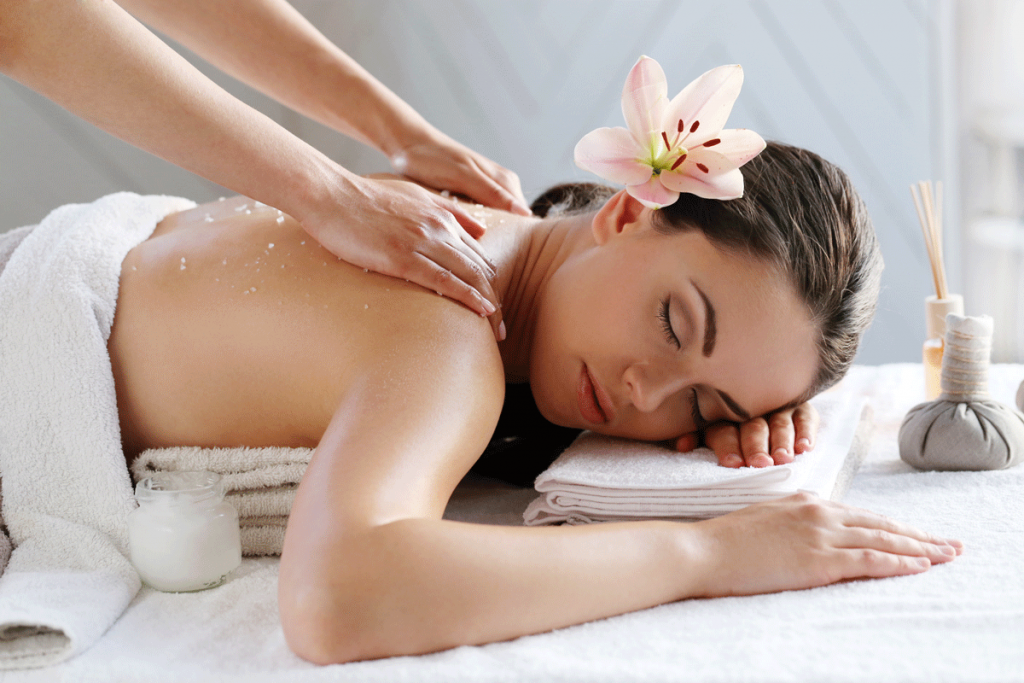
In fact all the massages are relaxation massage, but the area of focus of makes differences in different style.In a massage, the practitioner creates a calming environment to help clients release stress and achieve mental and physical relaxation. By soothing the senses, it promotes peace, reduces tension, and leaves clients feeling refreshed and rejuvenated.
Massage focuses on two Swedish techniques, Effleurage and Petrissage, avoiding deeper strokes like Friction and Tapotement to ensure comfort. Medium pressure, slow speed, and a soothing ambiance—light, sound, and temperature—enhance relaxation. The therapist’s touch, guided by intent and mindfulness, plays a vital role, transforming them into a healer. This holistic approach combines skill with empathy to provide ultimate physical and mental relaxation.
Who can take relaxation massage?
A massage is a better option for a person, who is feeling the need of touch or deprived from personal touch. People stay away from their families for extended periods, experience emotional breakups, endure mental fatigue from hectic brain activities, or recover from major illnesses.
How to read a client?
In massage practice, understanding a person’s behavior helps select the most suitable massage style. Signs of mental stress include difficulty focusing, impatience, restlessness, and resistance to assessment procedures. Choosing the wrong style can lead to ineffective treatment, making behavioral observation crucial for effective care.
Benefits of relaxation massage
Massage calms the senses, boosts vitality, and enhances confidence. It balances chakras, ensuring smooth energy flow and emotional well-being. It reduces stress, anxiety, and cortisone levels, while soothing nerves and improving sleep. This stimulates endorphins, alleviating depression and promoting positive changes in mood and personality.